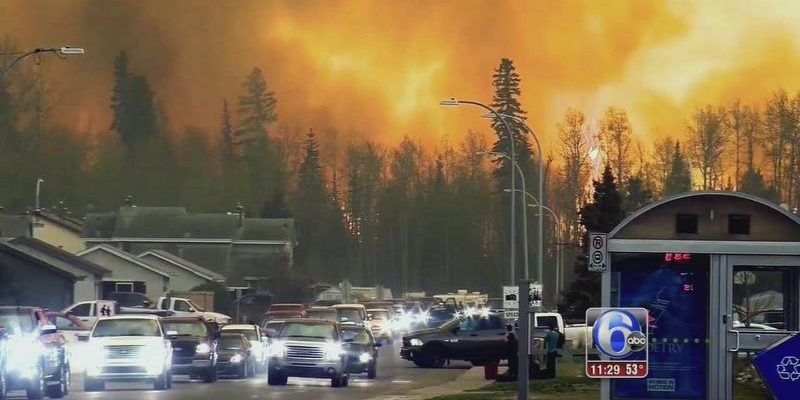
Evacuation
Returning Home
Principles & Practices
WUI Culture

You never know what you will find when returning home after a wildfire.
You have been evacuated and want to go home. Permission to return home is usually given by a local fire or law enforcement authority. They deem it safe to return once the wildfire and any home fires have been extinguished and when other hazards, such as downed power lines, do not pose a threat.
Returning Home
Once you are given the “all clear,” there are things you need to know, and do, to make your return safe. Make sure to wear leather boots, long pants, and a long-sleeved shirt to protect yourself from hot spots and broken glass. Smoke and ash may be present, so you may want a dust mask.

Be aware of partially burned trees, they can fall and be deadly.
Watch out for:
- Unstable charred trees and power poles.
- Downed live power lines.
- Spot fires and smoldering debris.
- Live embers.
- Ash pits (hot, ash-filled holes created by burned trees).
Before Entering Your Home
FIRST—check for the smell of gas. If you smell gas, IMMEDIATELY leave the structure and turn the supply off at the tank or outside valve.
- Extinguish embers and spot fires using a wet mop or hose, or smother them with wet burlap or soil.
- Check electrical power. If there is power, turn it off until you have completed your inspection. If there is no power, contact your utility provider.
- Check roofs and floors for structural safety.
- Check roof, in rain gutters, porch and patios for burning embers or smoldering debris and extinguish. Check frequently during the next several days to make sure they are completely out.
Inside Your Home
Once inside, open doors and windows. Wear protective clothing. Boots, heavy clothing, and rubber gloves keep you safe when sifting through debris and handling hazardous materials (cleaning solvents, paints, batteries, etc.). Wear a mask when sifting through debris to avoid breathing in smoke and ash.
Do not start cleaning or throw anything away until you have contacted your insurance company and asked them what you should do about covering broken windows, doors, and other exposed areas; pumping out water; and any other actions needed to secure your home. Take pictures and/or video, and start a list of damaged belongings.
- Beware of hot spots, dust, ash, broken glass, and other sharp objects.
- Check for embers and smoke in the attic and crawl spaces. Monitor living areas for signs of smoke or embers for the next 24 to 48 hours.
- Contact your utility providers (water, natural gas, and electricity) to restore service.
- Do not allow children to play in the area.
- Be aware that animals may have taken shelter in your home, garage, or outbuildings. Leave a door open to allow them to exit on their own. If an animal appears injured or unwilling to leave, you may need to call animal control.
Food and Medication: If in Doubt, Throw it Out
If in doubt, throw it out. Discard food, beverages, or medications exposed to heat, smoke, or soot. The potency of some medications can be altered by exposure to heat, so check with your doctor before using any prescription or over-the-counter medicines.
Discard canned goods that are dented, bulging, rusted, or charred, as well as those exposed to extreme heat. Refrigerators and freezers may not be airtight. If the power was out, discard any meat, seafood, milk, soft cheeses, eggs, prepared foods, and cookie dough that were above 40°F for more than two hours. Do not refreeze frozen food that has thawed.
Throw away the following items if they may have been exposed to fumes, water, or chemicals:
- Fresh food such as produce, dairy, meat, fish, and eggs.
- Open containers and packages.
- Containers with peel-off tops or cork-lined, waxed cardboard, or paraffin (waxed) seals.
- Food in cardboard boxes or wrapped in paper, foil, plastic, cellophane, or cloth.
- Items in canisters such as flour, sugar, spices, seasonings, and extracts.
- Stored raw foods such as potatoes, apples, and onions.

Contact Us
Mike Ward, Executive Director
director@idahofirewise.org
PO Box 220
Kooskia, ID 83539
EIN 27-2535008
Our Partners